
1.Division of Clinical Pharmacy and Pharmaceutical Sciences
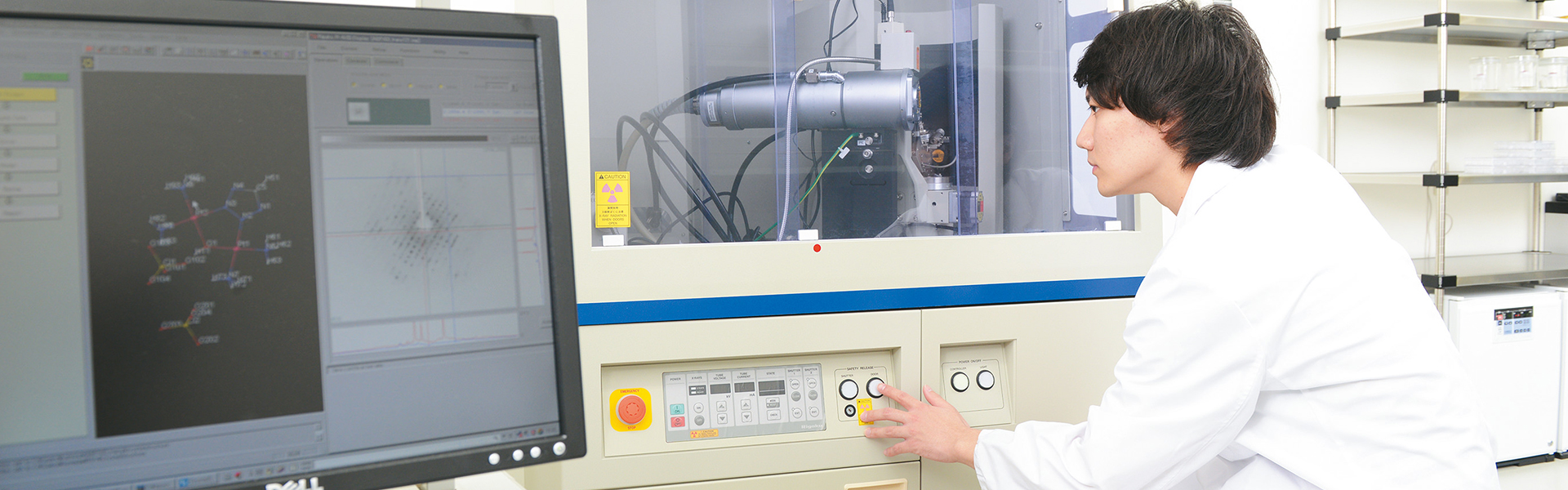
Recently, Mie Prefecture has been promoting the “Mie Medical Valley Project,” which aims to foster human resources and promote industries related to health, welfare, and the environment. In response to this initiative, there is an increasing demand for specialists who can contribute to the development of pharmaceuticals, cosmetics, and high-end functional foods.
Our Division of Clinical Pharmacy and Pharmaceutical Sciences provides advanced education and research opportunities to cultivate such specialists, serving as a foundation for regional industrial development. The graduate program is designed to enable licensed pharmacists and other professionals to pursue advanced studies while continuing their professional careers.
In particular, we focus on Drug Fostering and Evolution (DFE), which emphasizes the effective utilization, improvement, and optimization of existing drugs through close collaboration between clinical practice and pharmaceutical research. Through cooperation with medical institutions, pharmaceutical companies, and the “Center for Innovative Pharmaceuticals” at our university, our division contributes to regional healthcare innovation and industry–academia–government collaboration.
In response to the challenges of a super-aging society, including cancer treatment and dementia care, we aim to cultivate highly skilled professionals who can demonstrate leadership in healthcare settings and contribute to education, research, and clinical practice with advanced expertise.
2. Areas of Specialization
- (1) Department of Bioanalytic Pharmacology
-
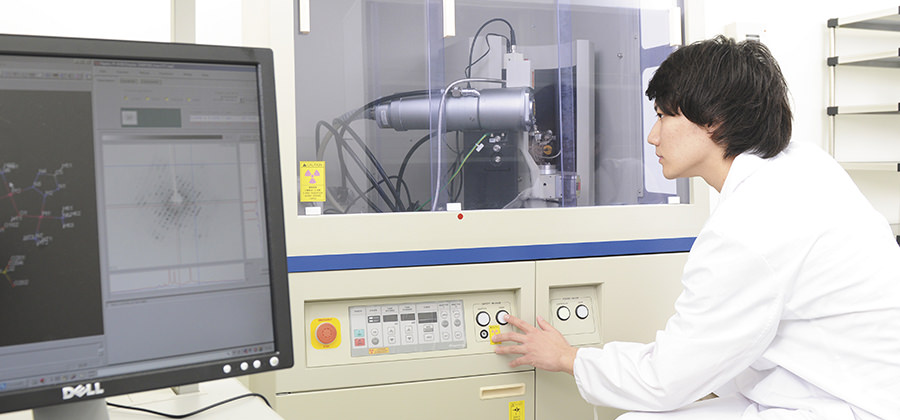
We conduct advanced research in bioanalytic pharmacology, focusing on cancer and age-related diseases. Our work emphasizes the regulation of drug properties through metabolic control and the development of pharmacotherapies based on pathological analysis and diagnosis. Graduate students gain specialized knowledge and practical research skills essential for personalized and cost-effective medicine in a super-aging society.
2-1-1Faculty Member
- (2) Department of Pharmacotherapy
-
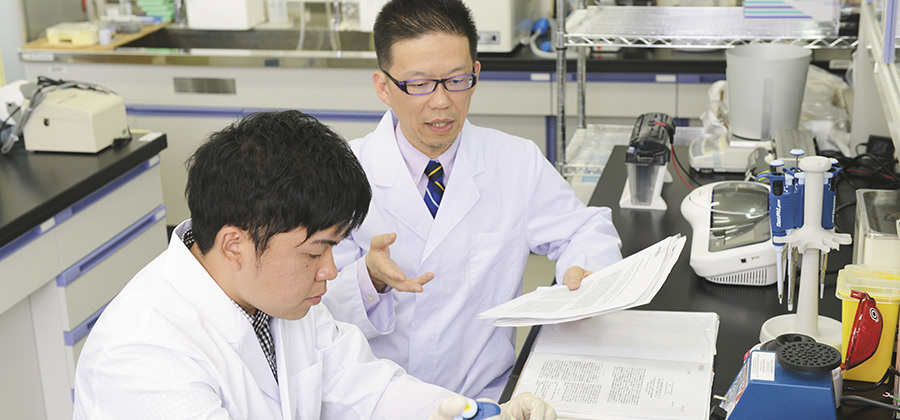
Many new drugs have been developed in recent years, leading to significant improvements in clinical outcomes. Our department aims to cultivate professionals who can identify the most appropriate treatments for patients, apply specialized knowledge to the design of drug administration, and take a leading role in clinical practice, particularly in response to the challenges of an aging society with a declining birthrate.
2-2-1Faculty Member
- (3) Department of Drug Research and Development
-
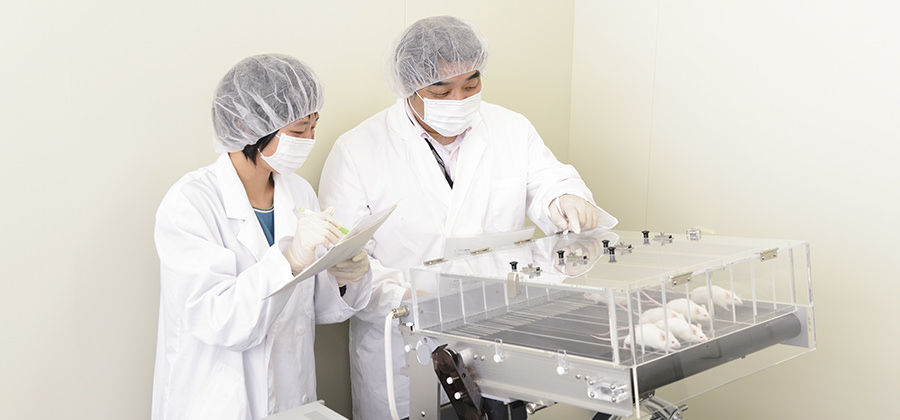
One of the key missions of pharmaceutical science is the identification and development of potential therapeutic compounds. In this department, students systematically study the processes involved in drug research and development, including the exploration of bioactive compounds for various diseases and the discovery of new functions of existing drugs. In addition, students engage in research on functional foods aimed at disease prevention and investigate novel physiologically active substances.
2-3-1Faculty Member
- (4) Department of Pharmaceutical Health
-
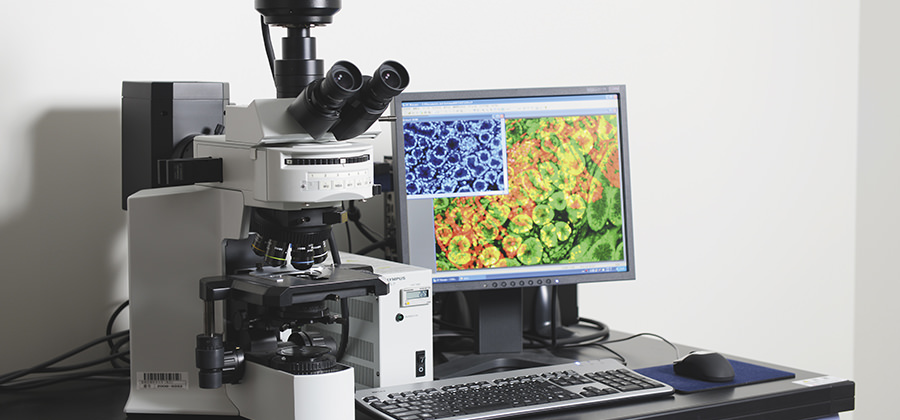
We study the relationships between diseases and social and environmental factors from multiple perspectives. In today’s super-aging society, the prevention and treatment of cancer and dementia have become increasingly important. To address these challenges, our research focuses on environmental factors related to preventive medicine and pharmacotherapy, using both experimental and epidemiological approaches. In particular, we emphasize the development of biomarkers for cancer prevention and the optimization of pharmacotherapy for dementia and other mental disorders.
2-4-1Faculty Member
- (5) Clinical Pharmaceutics
– Practice Education Units -
2-5-1Faculty Member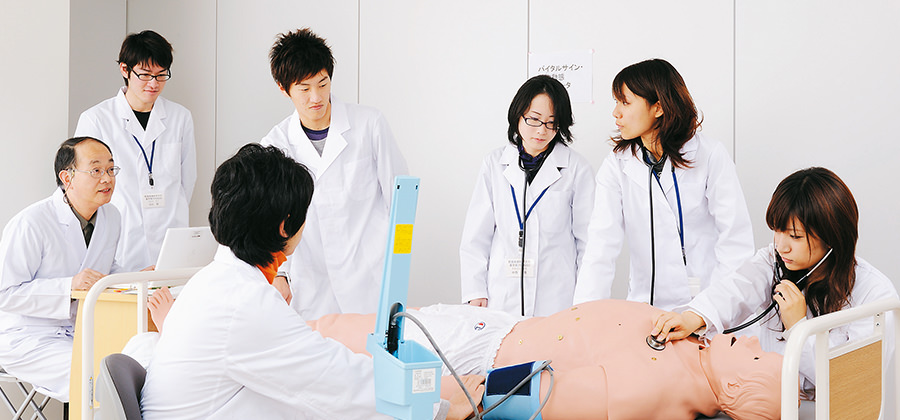 Students acquire fundamental skills for collecting clinically relevant information from patients through physical assessment training. They also learn basic techniques for integrating patient information through case analysis seminars.